Drug Rehab Centers Strategy: The Ultimate Guide to Recovery [Update 2026]
Overcoming a substance use disorder is one of the most difficult challenges a person can face in their lifetime. Addiction is a complex disease that rewires the brain, making it nearly impossible to achieve long-term sobriety without professional medical intervention.
This is exactly why finding highly qualified Drug Rehab Centers is the most critical step in the journey to recovery. These specialized medical facilities provide the safe, structured, and supportive environment necessary to break the cycle of chemical dependency.
In this comprehensive guide, we will explore the intricate landscape of modern Drug Rehab Centers. From understanding the different levels of care to financing your treatment, this article will equip you with the knowledge needed to save a life.
What Are Drug Rehab Centers?
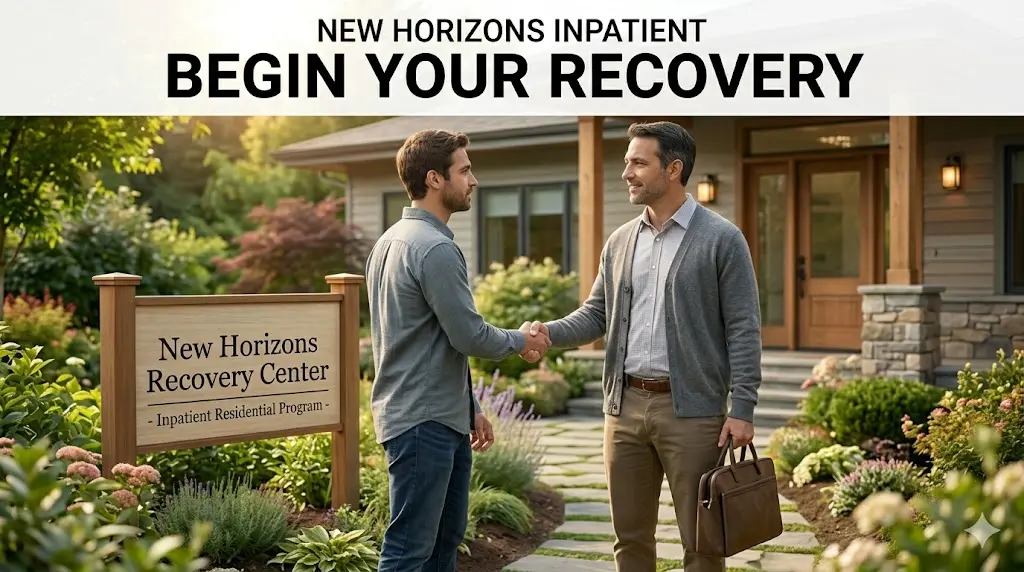
At their core, Drug Rehab Centers are dedicated healthcare facilities designed to help individuals stop using illicit substances or prescription medications. They focus on healing the patient physically, mentally, and emotionally.
When a patient enters Drug Rehab Centers, they are placed under the care of specialized doctors, psychiatrists, and addiction counselors. These professionals work together to create a personalized roadmap to sobriety.
Unlike standard hospitals, Drug Rehab Centers understand that addiction is a chronic disease requiring specialized long-term management. They do not just treat the immediate physical symptoms; they address the psychological root causes of the addiction.
The Primary Goals of Treatment
The initial goal of any reputable facility is to safely remove the toxic substances from the patient’s body. This makes medical detoxification the vital first phase of treatment within Drug Rehab Centers.
Once the body is stabilized, the focus shifts entirely to behavioral therapy and psychological healing. High-quality Drug Rehab Centers aim to teach patients new coping mechanisms to handle stress without resorting to drug use.
Ultimately, the long-term goal is sustainable reintegration into society. The best Drug Rehab Centers provide robust tools to help individuals rebuild relationships, maintain employment, and live a fulfilling, substance-free life.
The Different Types of Drug Rehab Centers
When searching for help, you will quickly discover that not all facilities offer the same type of environment. The market provides various levels of care to suit different severity levels of addiction.
Understanding these different structures is crucial before committing to a specific program. Choosing the wrong type of Drug Rehab Centers can significantly increase the risk of a future relapse.
Inpatient Residential Drug Rehab Centers
Inpatient Drug Rehab Centers are considered the gold standard for treating severe, long-term addictions. In this setting, patients live full-time at the facility for a period ranging from 30 to 90 days, or sometimes longer.
By residing at the facility, patients are completely removed from the toxic environments and triggers that fueled their addiction. Inpatient Drug Rehab Centers offer 24/7 medical supervision and highly structured daily schedules.
This immersive environment allows individuals to focus 100% of their energy on healing. For those with a history of chronic relapse, inpatient Drug Rehab Centers provide the safest path to recovery.
Outpatient Drug Rehab Centers
For individuals with milder substance use disorders or strict work obligations, outpatient Drug Rehab Centers offer a more flexible alternative. Patients attend therapy sessions and medical check-ups during the day but return to their own homes at night.
Outpatient programs require a high level of personal discipline and a strong, supportive home environment. Because patients are still exposed to the outside world, outpatient Drug Rehab Centers carry a higher risk of relapse during the early stages of recovery.
However, they are significantly less expensive than residential programs. Many patients transition to outpatient Drug Rehab Centers as a step-down level of care after completing a strict inpatient program.
Luxury and Executive Drug Rehab Centers
For high-profile individuals, executives, or those who demand the utmost privacy, luxury Drug Rehab Centers provide premium accommodations alongside elite medical care. These facilities often resemble five-star resorts.
Luxury Drug Rehab Centers offer private rooms, gourmet meals prepared by executive chefs, and exclusive amenities like swimming pools, equine therapy, and spa services. They strictly protect the confidentiality of their high-net-worth clients.
While the cost is substantially higher, luxury Drug Rehab Centers ensure that patients do not have to sacrifice their standard of living while seeking life-saving addiction treatment.
The Strategic Approach to Choosing a Facility
Selecting the perfect facility requires a calculated, deeply researched approach. To ensure the highest chance of lifelong sobriety, implementing a solid Drug Rehab Centers Strategy is an absolute necessity for families and patients.
Without a strategy, families often panic and choose the first facility they find online, which can lead to disastrous results. A well-planned approach to evaluating Drug Rehab Centers ensures you find a program that addresses the patient’s specific psychological needs.
You must treat this decision as a vital life-saving strategy, comparing clinical outcomes, staff credentials, and aftercare plans. The right Drug Rehab Centers will act as the foundation for a completely transformed future.
What to Look for in Top-Tier Drug Rehab Centers

Evaluating the quality of a medical facility can be overwhelming for families in crisis. However, there are specific, non-negotiable standards you must demand when researching your options.
Not all Drug Rehab Centers utilize scientifically backed methods. To guarantee the safety of your loved one, you must meticulously check the following credentials.
Accreditation and Licensing
The very first thing you must verify is the facility’s official accreditation. Top-tier Drug Rehab Centers are accredited by recognized national bodies, such as the Joint Commission or CARF (Commission on Accreditation of Rehabilitation Facilities).
Accreditation proves that the facility voluntarily undergoes rigorous, independent audits of its medical practices and safety protocols. Never entrust a loved one to Drug Rehab Centers that lack state licensing or national accreditation.
Evidence-Based Treatment Programs
The most effective Drug Rehab Centers rely strictly on evidence-based therapies that have been scientifically proven to work. This includes therapies like Cognitive Behavioral Therapy (CBT) and Dialectical Behavior Therapy (DBT).
They also utilize Medication-Assisted Treatment (MAT) when appropriate, using FDA-approved medications to ease cravings and withdrawal symptoms safely. Avoid Drug Rehab Centers that rely solely on experimental or unproven holistic treatments as their primary medical intervention.
Dual Diagnosis Capabilities
A massive percentage of individuals suffering from addiction also struggle with co-occurring mental health disorders, such as severe depression, anxiety, or PTSD. High-quality Drug Rehab Centers must have dual diagnosis capabilities.
This means they employ full-time psychiatrists who can treat the mental illness and the addiction simultaneously. If Drug Rehab Centers only treat the drug use while ignoring the underlying trauma, the patient is almost guaranteed to relapse.
What to Expect Inside Drug Rehab Centers
Fear of the unknown often prevents people from seeking the help they desperately need. Understanding the daily reality of life inside a treatment facility can help alleviate this anxiety.
While every program is unique, most reputable Drug Rehab Centers follow a structured, multi-phased approach to recovery. Here is what a patient can generally expect during their stay.
The Medical Detoxification Phase
The first several days at inpatient Drug Rehab Centers are dedicated exclusively to medical detox. As the drugs leave the patient’s system, they will experience severe, sometimes life-threatening, withdrawal symptoms.
During this phase, doctors and nurses monitor the patient around the clock. Drug Rehab Centers use specialized medications to manage pain, reduce seizures, and keep the patient as comfortable as physically possible.
Intensive Therapy and Counseling
Once the physical detox is complete, the grueling psychological work begins. Patients in Drug Rehab Centers spend several hours a day in intensive individual counseling sessions with licensed trauma therapists.
They also participate heavily in group therapy, sharing their experiences with peers who are facing the exact same struggles. This builds a powerful sense of community and shatters the deep isolation that fuels addiction.
Furthermore, top Drug Rehab Centers incorporate family therapy sessions. Repairing broken family dynamics is a crucial component of building a sustainable, sober support system for the future.
Aftercare and Alumni Programs
The true test of recovery begins the moment a patient leaves the facility. The most distinguished Drug Rehab Centers understand that 30 days is rarely enough to cure a chronic disease.
Because of this, they provide robust aftercare planning. Before discharge, Drug Rehab Centers help patients secure placement in sober living homes, arrange ongoing outpatient therapy, and connect them with local support groups like NA or AA.
They also maintain active alumni networks. Elite Drug Rehab Centers host regular alumni events and provide lifelong check-ins to ensure their former patients remain safely on the path of sobriety.
Financing Your Stay at Drug Rehab Centers
The cost of specialized addiction treatment is a massive barrier for many families. However, financial constraints should never prevent someone from saving their own life.
There are numerous ways to fund treatment at highly rated facilities. Understanding your financial options is a critical part of your overall recovery strategy.
Utilizing Private Health Insurance
The vast majority of reputable Drug Rehab Centers accept major private health insurance plans. Thanks to federal parity laws, insurance companies are legally required to provide coverage for substance abuse treatment.
Before committing, contact your insurance provider or the admissions department of the facility. The staff at Drug Rehab Centers are experts at verifying insurance benefits and explaining exactly what your policy will cover.
Depending on your specific plan, insurance may cover a significant portion, or even the entirety, of a stay at standard inpatient Drug Rehab Centers.
Scholarships and Alternative Financing
If you do not have adequate insurance, do not lose hope. Many non-profit organizations and the Drug Rehab Centers themselves offer partial or full scholarships based on intense financial need.
Additionally, some facilities offer sliding-scale payment plans that adjust the cost based on your specific income level. Many families also choose to utilize specialized healthcare loans to finance their stay at premium Drug Rehab Centers.
Conclusion
Making the decision to seek professional help for a substance use disorder is an incredibly brave and life-altering choice. Drug Rehab Centers offer the safest, most scientifically sound pathway out of the darkness of addiction. By understanding the critical differences between inpatient, outpatient, and dual-diagnosis facilities, you can make a highly informed decision for yourself or your loved one. Always prioritize facilities that boast national accreditation, evidence-based therapies, and a dedicated team of psychiatric professionals. Remember that recovery is a lifelong journey, not a quick fix. Take the time to strategize your approach, explore your insurance options, and select a facility that provides comprehensive aftercare to ensure a vibrant, permanently sober future.
Frequently Asked Questions (FAQ)
1. How long does a typical stay at Drug Rehab Centers last?
While programs vary, the most common inpatient stays range from 30, 60, to 90 days. Addiction specialists generally agree that longer treatment durations (90 days or more) result in significantly higher rates of long-term sobriety.
2. Can I keep my phone or laptop while in Drug Rehab Centers?
Most standard inpatient facilities restrict access to personal electronic devices during the initial stages of treatment to minimize outside distractions and triggers. However, luxury and executive rehabs often allow controlled access so professionals can maintain essential business operations.
3. What is the difference between a detox center and Drug Rehab Centers?
A detox center strictly focuses on safely managing the physical withdrawal symptoms over a period of 5 to 10 days. Comprehensive Drug Rehab Centers encompass detox but then continue with weeks or months of intensive psychological therapy and behavioral training.
4. Do Drug Rehab Centers cure addiction completely?
Addiction is widely recognized by the medical community as a chronic, relapsing brain disease. Therefore, rehab centers do not offer a “cure,” but rather provide the essential medical treatment, coping tools, and psychological healing required to successfully manage the disease for a lifetime.
5. How do I know if my loved one actually needs to go to a rehab center?
If a person’s substance use is causing severe negative consequences in their life—such as job loss, legal trouble, deteriorating health, or damaged relationships—and they cannot stop using despite these consequences, they urgently need the professional intervention provided by Drug Rehab Centers.
Take the First Step Toward a New Life Today!
Addiction does not have to be a life sentence. If you or someone you love is struggling, do not wait until it is too late. The path to lasting recovery begins with a single, courageous phone call. Click here to explore top-accredited facilities, verify your health insurance benefits confidentially, and secure a spot at the best Drug Rehab Centers available. Reclaim your health, your family, and your future right now.